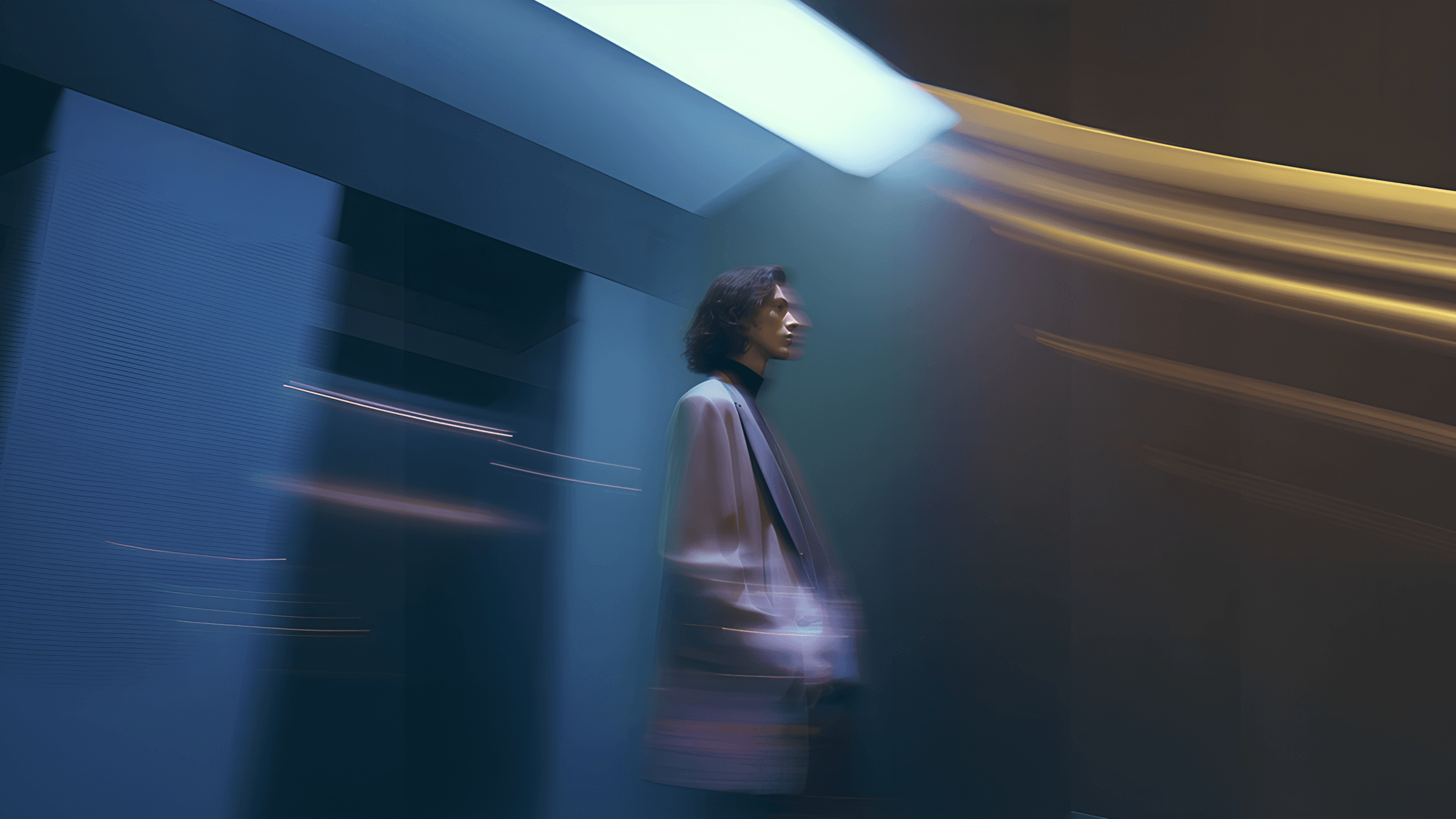
In the creative world, inspiration is everywhere — from a film frame’s lighting to the texture of a café wall. But translating that inspiration into a tangible, strategic design can be a challenge. Many designers collect moodboards endlessly without knowing how to convert them into clear, functional outcomes. This guide outlines a step-by-step process to help you move from visual chaos to cohesive clarity — from spark to delivery.
Collect Without Judgement
The creative process starts with openness. In the early stages, avoid filtering or overthinking what “fits.” Gather everything that resonates — photography, typography, architecture, interfaces, colors, materials, even unrelated art forms.
This phase is about quantity over quality. You’re building a visual vocabulary, not a final direction. The broader the range, the more unexpected connections you’ll discover later.
Pro tip: Use visual bookmarking tools like Are.na, Milanote, or Pinterest to cluster references by intuition, not by rules. Patterns will emerge naturally.
Define the Core Concept
Once you’ve collected enough inspiration, take a step back and observe the common threads. Are you drawn to minimal shapes, cinematic shadows, or organic textures? What emotions do the references collectively evoke — calm, energy, curiosity, trust?
Defining this “core concept” gives your design purpose. It becomes your creative north star — the lens through which all design decisions are filtered. Every color choice, layout, or animation should reinforce that central idea.
Key takeaway: Inspiration is raw energy; concept turns it into direction.
Translate Mood to Structure
Now it’s time to turn that mood into something concrete. Begin by sketching layouts, wireframes, or composition blocks that echo the tone of your references.
If your inspiration feels airy and minimal, your grid system might lean toward wide margins and light typography. If it’s bold and dynamic, you might experiment with dense layouts and expressive motion. The goal is to let emotion inform structure — merging aesthetic with usability.
Key takeaway: Great design bridges emotional resonance and practical structure.
Refine With Feedback Loops
Design rarely emerges perfect from the first pass. Share your early explorations with teammates, mentors, or clients. Encourage honest reactions — not just to visuals, but to the feeling your design evokes.
These iterative loops help you fine-tune the visual tone, eliminate noise, and sharpen focus. Small critiques early on prevent major revisions later, saving time while strengthening the creative direction.
Pro tip: Frame your feedback sessions around experience (“Does this feel aligned with our story?”) instead of preference (“Do you like this color?”).
Document the Journey
Every decision in design tells a story — of reasoning, experimentation, and evolution. Document that journey: from your first inspiration clusters to concept boards, iterations, and final outcomes.
Not only does this strengthen your presentation narrative, but it also helps you (and future collaborators) understand why certain choices were made. In client settings, this transparency builds trust and communicates strategic depth behind aesthetic decisions.
Key takeaway: A well-documented process turns a beautiful design into a credible, defensible one.
Conclusion
Design inspiration without process is like potential without direction. By collecting broadly, defining clearly, translating emotionally, refining collaboratively, and documenting intentionally, you transform scattered visuals into a powerful, cohesive identity.
The best designers don’t just create — they connect emotion to execution. Turning inspiration into impact is what makes design not just seen, but felt.
author

Mert Doruk
CATEGORY
CMS
Basics
date